
Jul 21, 2026
Asphalt Mixing Plant Emission Control: Optimizing Bag Filter Lifespan & TCO
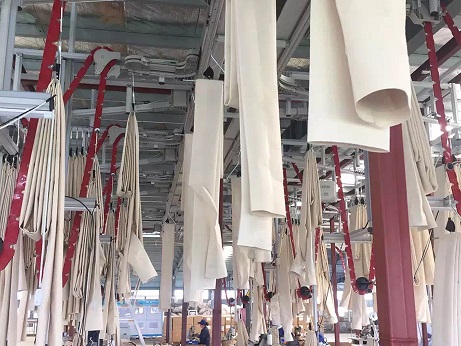
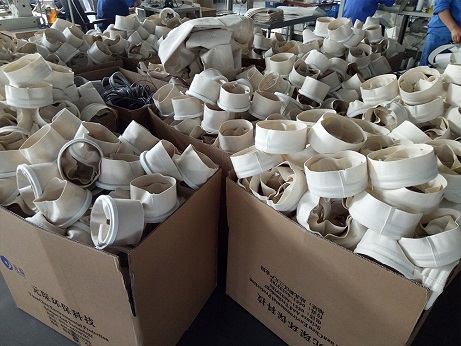
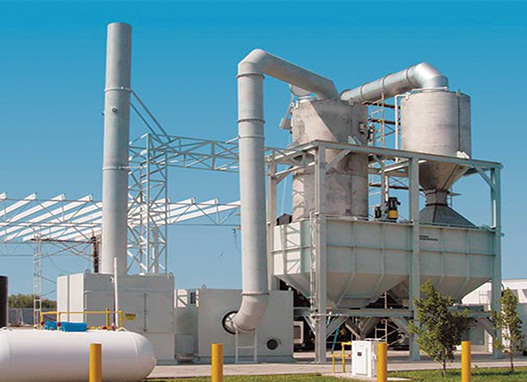
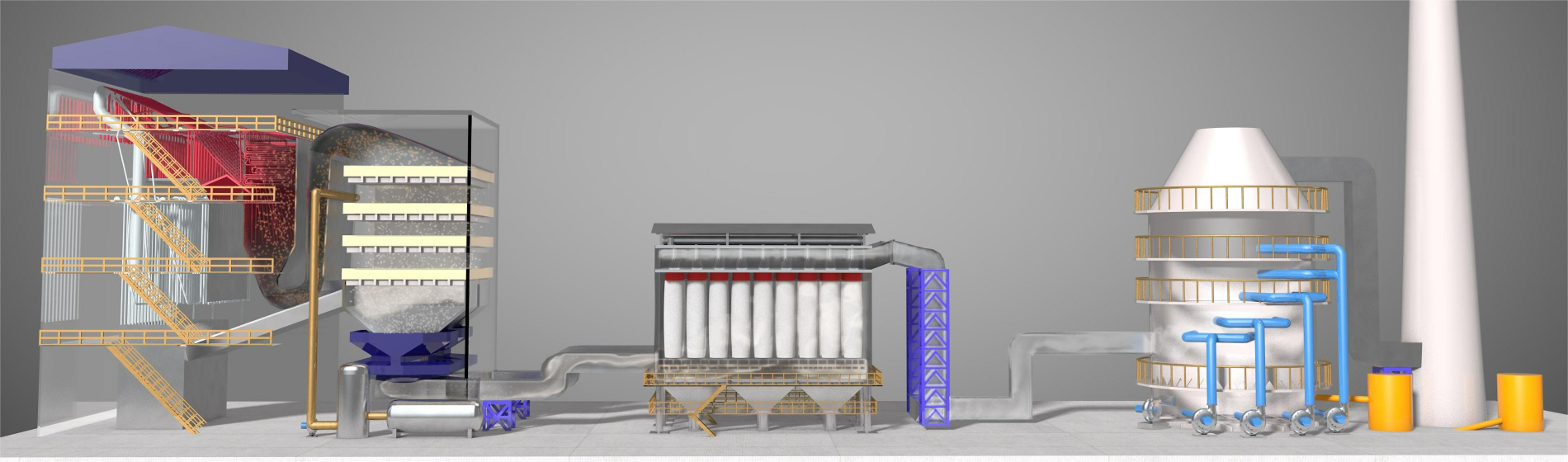
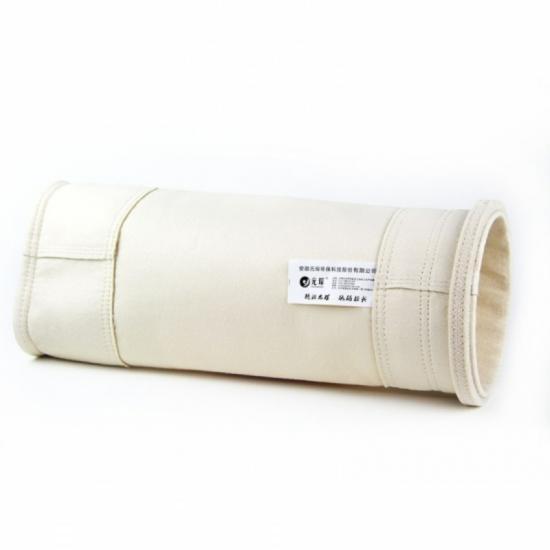
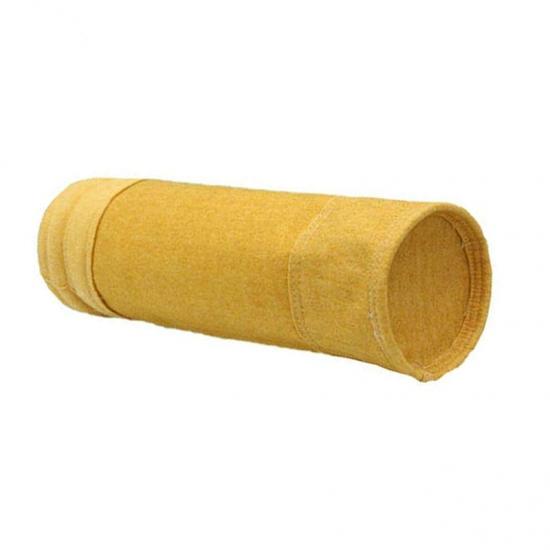
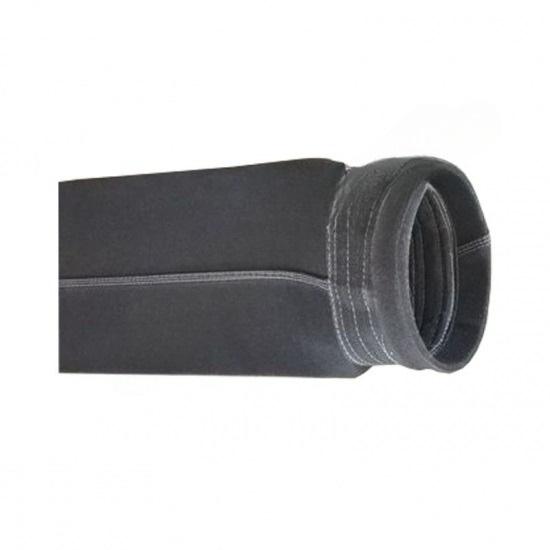
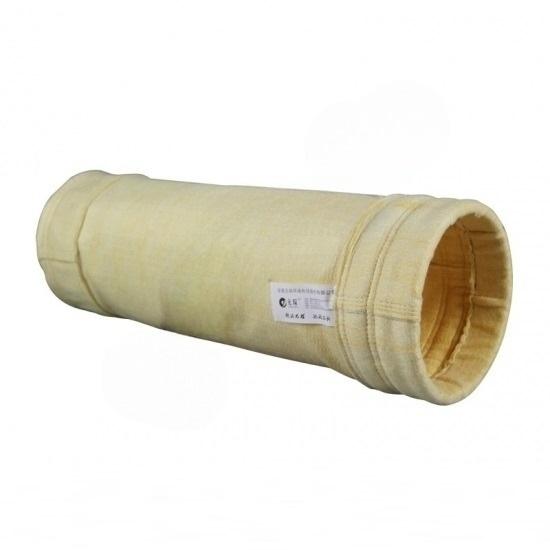
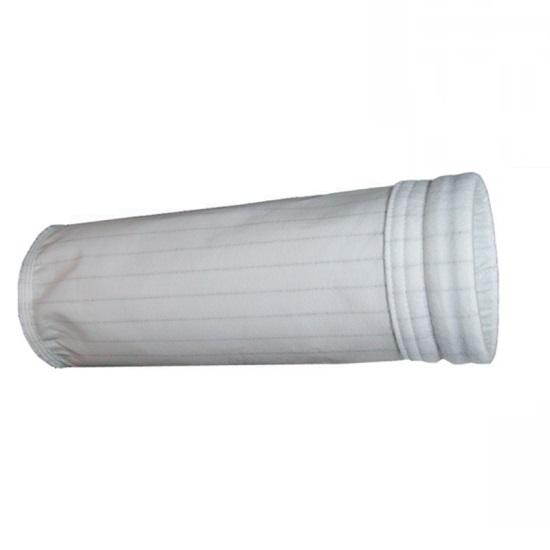
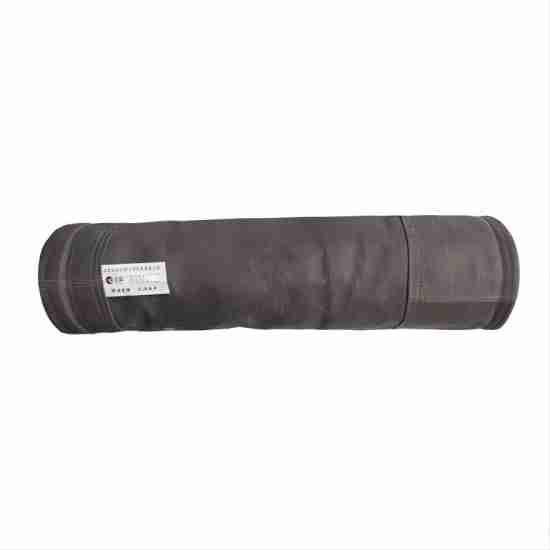
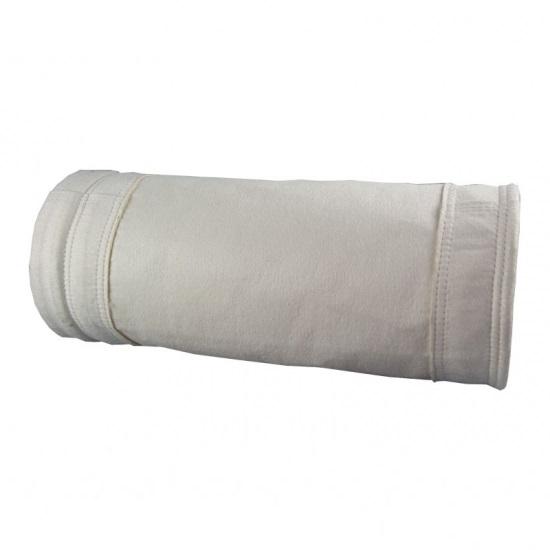
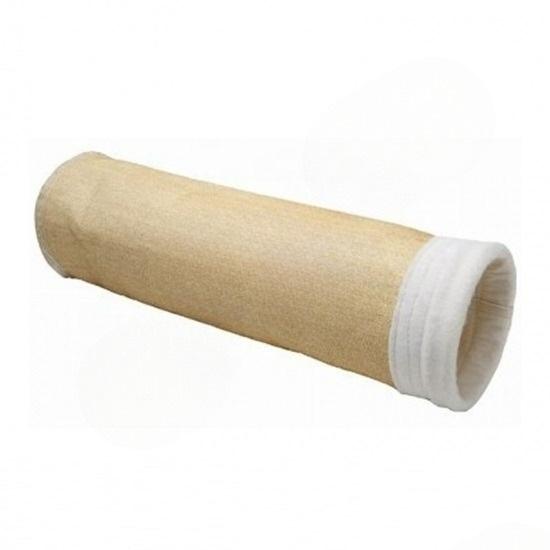
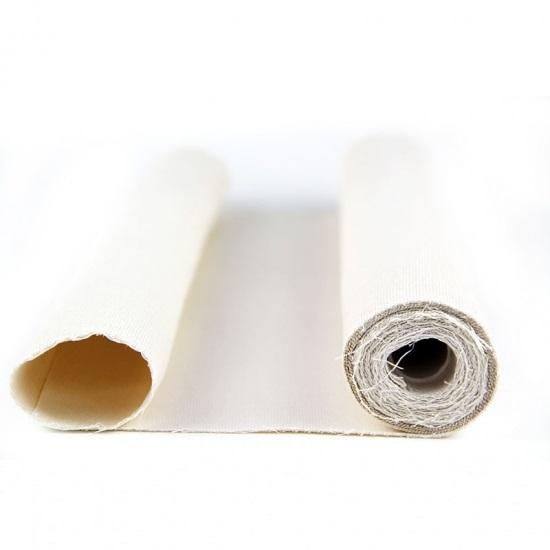
For asphalt plant managers, the exhaust stack is more than just a piece of hardware—it is a continuous compliance gauge. The intense thermal load, sticky hydrocarbon vapors, and heavy aggregate dust generated during hot mix production create one of the most punishing environments for industrial air filtration. One misstep in your dust collection strategy doesn't just mean an environmental citation; it directly threatens your daily production capacity. Achieving consistent emissions below 10 mg/Nm³ while keeping operating costs under control requires moving beyond standard maintenance. It demands a granular understanding of how your filtration media interacts with structural gas flow. This comprehensive guide breaks down the core engineering principles needed to maximize the efficiency of your asphalt baghouse and slash your Total Cost of Ownership (TCO). The Engineering Reality of Hot Mix Asphalt Emissions Dust emissions in an asphalt mixing station are highly dynamic. The process begins in the rotary drying drum, where cold aggregates are heated and cascaded, creating a massive upstream dust load. Subsequent stages—including the hot elevator, screen decks, and aggregate weigh hoppers—generate fine, abrasive particulates that must be continuously evacuated under negative pressure. With global standards like the US EPA NESHAP, European BREF directives, and localized green manufacturing mandates tightening yearly, relying on outdated filtration designs is a liability. Modern baghouse systems are no longer treated as simple add-ons; they are high-precision reactors that determine whether a plant is legally permitted to operate. Pre-Separation Technology: Why Mechanical Collectors Are Essential Deploying a bag filter as a single-stage solution against raw drum exhaust is a recipe for premature fabric failure. Coarse aggregate particles traveling at high velocity act like sandblasters, cutting through fabric fibers within weeks. To prevent this, a highly optimized two-stage interception setup is mandatory: Stage 1: The Heavy-Duty Cyclone (Pre-separator) – Utilizing centrifugal forces, the pre-separator drops out 85% to 90% of the heavy, coarse particulate mass before it ever reaches the filter house. This reclaimed grit is immediately recycled back into the mix as valuable filler. Stage 2: The Pulse-Jet Baghouse – Receiving only the micro-fine fraction, the secondary fabric filter operates under a dramatically reduced dust cake load, resulting in uniform pressure drops and significantly prolonged bag life. Precision Grid Alignment of High-Temperature Bag Filters for Industrial Smelting and Asphalt Plants Selecting the Ideal Media: Aramid Fiber vs. Extreme Conditions The operational survival of your baghouse relies entirely on the chemical and thermal limits of your filter media. Flue gases leaving an asphalt drum consistently hover between 140°C and 180°C, frequently spiking during burner adjustments. Standard polymers like polyester fail instantly un...
もっと見る